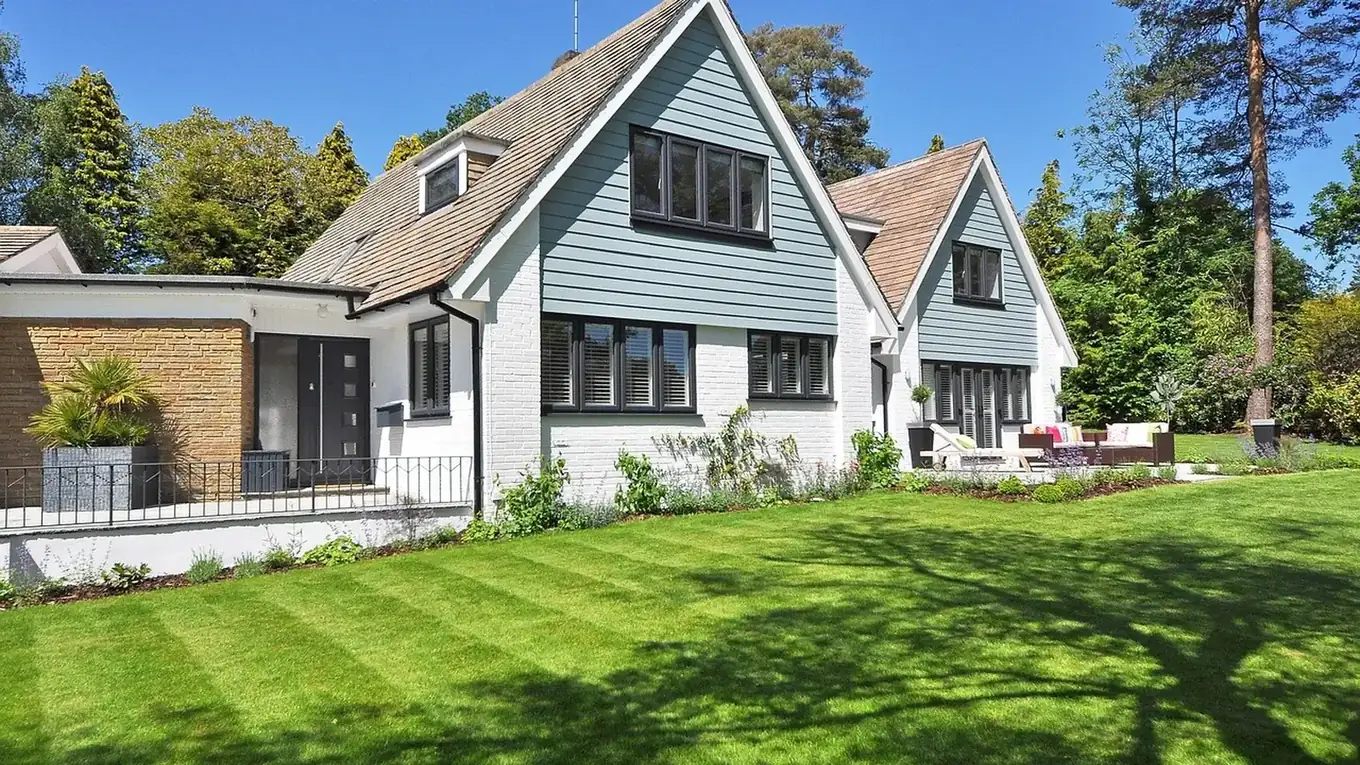
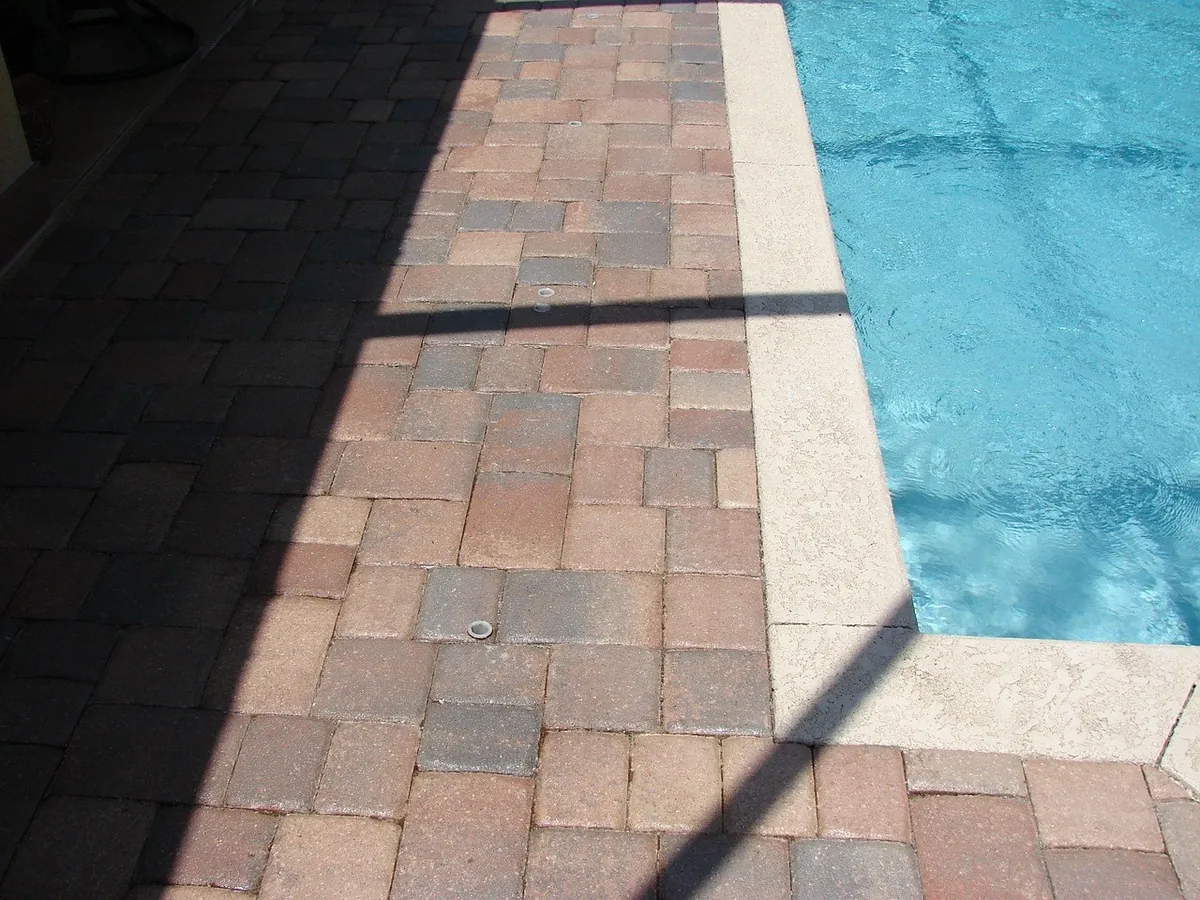
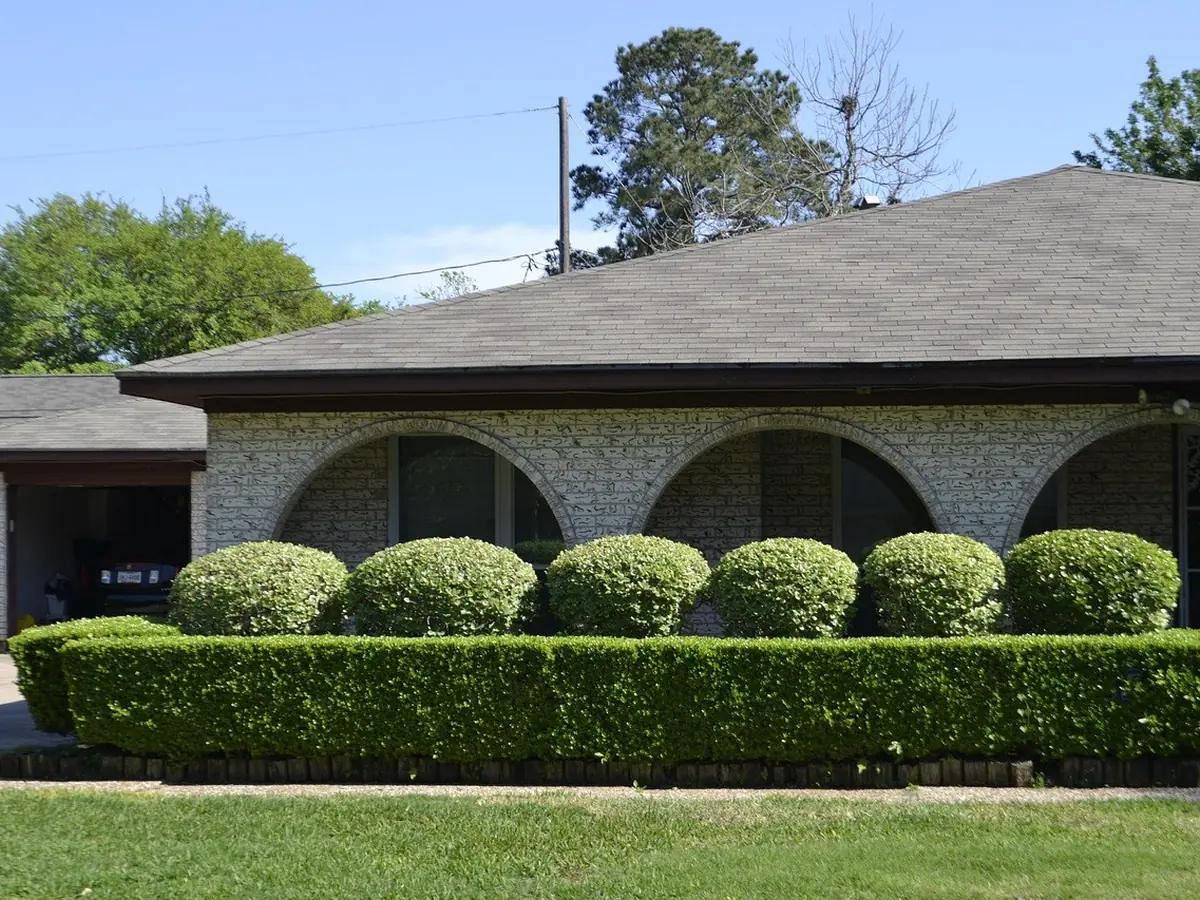
Tampa Landscaping Pros is the landscaping company for Tampa yards that need planting, paver patios, retaining walls, artificial turf, a design plan or a hydroseeded lawn. National figures for 2026 put average professional landscaping services at $1,400 to $1,660. This Old House (2026) puts a paver patio at $2,400 to $7,000 nationally. A Tampa price comes from a written quote after the crew comes out and measures your yard. Ask for a written start date and finish date with the quote.
What do you need help with?
What Tampa Landscaping Pros does: every service on this site in one list, each linked to its page
Full service landscaping here means every job below under one name. Each has its own page, so pick the one that matches your yard or call and describe it.
Landscaping and landscape installation
Landscape installation covers plant beds, shrubs, trees, mulch, edging and sod. National figures put a professional landscaping project at $4.50 to $14.50 per square foot, a tree planted at $100 to $2,000 depending on size, and installed mulch at $77 to $94 per cubic yard. Sod installation for St. Augustine runs $0.98 to $1.79 per square foot installed, also a national range in 2026. Central Florida soils are typically very sandy and do not hold water or nutrients well, so ask how the crew plans to handle soil and watering. See landscape installation in Tampa.
Hardscaping: patios, walkways and retaining walls
As a hardscaping company, we build with pavers, stone and concrete. National ranges run $2,400 to $7,000 for a paver patio, about $3,800 on average, and $3,199 to $9,196 for a retaining wall. The Concrete Masonry & Hardscapes Association says a paver patio needs at least 4 inches of compacted base, and weak soil or poor drainage calls for a thicker one. Many Florida flatwoods soils sit on a weakly cemented hardpan, so ask what base depth your quote assumes. See hardscaping in Tampa and paver patios.
Artificial turf
Artificial turf costs $15 to $19 per square foot professionally installed, a national range. This Old House says to remove at least 3 to 4 inches of soil with the old grass, then lay a 3 to 4 inch base of crushed stone or decomposed granite. A UF/IFAS report on a study of California yards found turf surfaces reaching 174°F on the hottest summer days, while living grass stayed near 102°F; that was not a Tampa measurement. If you live in an HOA, get its written approval for artificial turf before work starts. See artificial turf in Tampa.
Landscape design
A plan comes before the digging. National figures run $1,944 to $7,213 for a professional landscape design, with $4,571 as the average (Bob Vila, 2023). Ask whether the design fee is flat or hourly and whether it is credited if the same crew installs the plan. Custom landscape design suits a yard where beds, walks, drainage and lighting all have to fit together. See landscape design in Tampa.
Hydroseeding
Hydroseed slurry is grass seed, mulch, water and fertilizer, sprayed over prepared soil. The national cost is $0.06 to $0.20 per square foot (This Old House, 2026). Grass can sprout in as little as 7 to 10 days, and the first mow can come after 4 weeks. UF/IFAS names bahiagrass and bermudagrass as the best Florida lawn grasses to start from seed, while St. Augustinegrass and zoysiagrass go in as sod or plugs. See hydroseeding in Tampa.
Sprinklers and landscape lighting
For irrigation services, a professionally installed sprinkler system runs $1,679 to $3,541 on a quarter-acre lot, national average $2,540 (Bob Vila, 2024). Florida law requires every automatic lawn sprinkler system to have working technology that stops it when there is enough moisture. Ask any sprinkler installer which licence they work under and check it before you sign. Landscape lighting installation runs $2,000 to $4,500 nationally in 2026. See sprinkler system installation and landscape lighting.
Residential and commercial projects in Tampa
Tampa had 414,547 people on July 1, 2024 (Census estimate) across 114.5 square miles of land, with 194,129 housing units and 2.2 people per household. The median owner-occupied home was worth $494,400 (American Community Survey, 2024 1-year estimate).
Front yard and backyard landscaping
Front yard landscaping is mostly beds, edging, mulch and plants. A Florida HOA may not ban an owner from putting in Florida-friendly landscaping on their own land, which Florida law defines as quality landscapes that conserve water, protect the environment, suit local conditions and tolerate drought. UF/IFAS lists nine Florida-Friendly Landscaping principles, from right plant, right place to water efficiently, fertilize appropriately, mulch and reduce stormwater runoff.
Backyard landscaping often adds outdoor living spaces. National ranges are $5,057 to $17,276 for an outdoor kitchen, $2,124 to $5,968 for a pergola (Bob Vila, 2024), $200 to $5,000 for a fire pit and $9 to $20 per square foot for a walkway. A Tampa pergola or gazebo counts as an accessory structure for permits, covered below.
Residential landscaping here also means trees. Planting a palm runs $40 to $250 nationally, and planting a larger tree up to 20 feet tall about $2,420 (Bob Vila, 2023). A planting company may offer a warranty or replacement if a tree it planted does not survive. Ask how long new plants are guaranteed and what watering the guarantee expects.
Commercial landscaping in Tampa
If you manage a business property, describe the site when you call. Commercial landscaping runs on its own paperwork. The City of Tampa fee schedule lists commercial permits separately from residential ones, so a business job gets its own permit line. The crew comes out and measures, and you get a written price before any work starts, the same as for a home.
Cost
Cost at a glance and what drives landscaping and hardscaping prices
Ask for a written, itemized price after the crew walks your Tampa yard and measures it. Until then, national ranges show where landscaping prices sit. They are not Tampa quotes.
| Job | National range | Source |
|---|---|---|
| Paver patio | $2,400 to $7,000, about $3,800 on average | This Old House, 2026 |
| Artificial turf, installed | $15 to $19 per square foot | This Old House, 2026 |
| Retaining wall | $3,199 to $9,196, national average $6,060 | Bob Vila |
| Stamped concrete patio | $2,960 to $7,533, national average $5,089 | Bob Vila, 2024 |
| Landscape design | $1,944 to $7,213, national average $4,571 | Bob Vila, 2023 |
| Sprinkler system, quarter-acre lot | $1,679 to $3,541, national average $2,540 | Bob Vila, 2024 |
| Hydroseeding | $0.06 to $0.20 per square foot | This Old House, 2026 |
What moves a landscaping quote
Size is the first driver. In 2026 national figures, a 500-square-foot area runs $2,250 to $7,250, and a 1,000-square-foot area $4,500 to $14,500. Materials come next: natural stone pavers cost $15 to $50 per square foot nationally (Bob Vila, 2023). Preparation changes the total too. Removing the old lawn averages about $325 before turf goes in, and drainage under artificial turf runs $100 to $2,000 depending on the system (Bob Vila, 2023). Labor for planting trees, shrubs, flowers or grass is $50 to $150 an hour nationally.
Xeriscaping and drainage solutions
Xeriscaping costs $5 to $20 per square foot nationally, and Bob Vila says it can cut water use by about 50 percent. UF/IFAS warns that in Florida's humid climate, removing turf can make yards feel hotter. For drainage solutions, a French drain averages about $5,000 nationally, from $500 for minimal work up to $18,000, and $10 to $50 per linear foot for an exterior drain.
Affordable landscaping starts with a clear scope and a written price you can compare line by line. For a walkthrough of each line, read the landscaping cost guide.
How a project works from consultation to final walkthrough
- Call us or use the form. We call you back within one business day.
- The crew comes out and measures your yard.
- You get a written price before any work starts. Ask how many working days the crew needs and what weather would push the date.
- Tampa Landscaping Pros pulls the City permit when the job needs one.
Before any digging, Florida law requires a call to Sunshine 811 at least 2 full business days ahead, and the locate ticket is good for 30 calendar days. Ask for the workmanship warranty in writing, with what it covers and for how long. Also ask what the final walkthrough covers.
How long a landscaping project takes
The answer depends on the job. A professional crew installs artificial turf in a few days, according to Bob Vila. New concrete needs at least 24 hours before anyone walks on it and about 28 days to cure fully. A paver sealer needs at least 4 hours before furniture goes back. Hydroseeded grass needs about 2 months to become hardy and healthy.
Care after the project
New sod needs light, frequent watering for the first 2 to 3 weeks, then less once it roots. In Tampa, new sod still may not be watered between 4 a.m. and 8 p.m. Wait 3 to 4 weeks before the first mow and 30 to 60 days before fertilizing. A hydroseeded lawn takes 2 to 3 waterings a day for the first few weeks, then less, but still more than usual, for the next 6 to 7 weeks.
Spread mulch 3 inches deep and top it up when it falls below 2 inches. Keep it about 1 foot back from the base of trees and large plants, because mulch piled against a trunk causes rot. Water a tree planted in spring or summer 2 to 3 times a week, 2 to 3 gallons per inch of trunk diameter, then weekly until it is established. New shrubs take 20 to 28 weeks to root in enough to live without irrigation. Paver joint sand may need topping up from time to time, and pavers need resealing only every few years.
The UF/IFAS guide to planting your Florida lawn covers the rest.
Local rules
Licensed trades and regulated work: Tampa permits, trees and licences
Inside the city limits, the City of Tampa Construction Services Division issues building permits, and you apply online through the city's Accela Citizen Access portal. Addresses in unincorporated Hillsborough County go to the county instead.
The City's posted miscellaneous projects fee schedule (updated May 2020) lists $475 for a residential privacy or retaining wall permit, $214 for a residential driveway, patio slab or deck, $177 for a residential accessory structure such as a gazebo or pergola, and $298 for residential site clearing up to 20,000 square feet. Every Tampa permit adds the Florida building permit surcharge: 2.5% of the permit value, $4 minimum. A Tampa wall permit also needs a site plan that shows property lines, elevations, the wall's location and size, easements, a wall cross section and every tree within 20 feet of the work.
Tree rules
Removing any tree 5 inches or more across at breast height needs a permit, except invasive species, and pruning a tree 24 inches or more across needs one first. A grand tree is 32 inches or more across. Every tree removal must be replaced by new planting, or paid into the city tree fund if there is no room on site. See the City of Tampa tree permitting page. The permits and rules guide goes further.
Licences for fertilizer, pesticide and contractor work
Florida has no general state landscaping licence, but for-hire fertilizing and pesticide work need their own state certificates. Anyone applying commercial fertilizer to a Florida yard for pay must hold the state limited urban landscape fertilizer certification. Ask who will apply any weed or pest treatment and which state licence they hold. Contractors pulling permits in Tampa register their licence with the city and keep a workers' compensation certificate or exemption on file. Since July 1, 2021, Florida law has pre-empted local contractor licensing to the state.
Check the current rule with the official source: tampa.gov
Local conditions
Local climate, soil and water, and what they mean for a yard
Tampa gets 49.48 inches of rain a year, and 30.24 inches of it, about 61%, falls from June through September. The city has about 94 days a year at 90°F or hotter and less than 1 night a year below freezing, so heat, rain and sand drive yard design here, not freeze-thaw.
The soil is the other half. Urban development in Tampa and Hillsborough County often leaves compacted, nutrient-poor sandy soil. Myakka fine sand, Florida's state soil, is poorly or very poorly drained, with the water table less than 18 inches down for 1 to 4 months in most years; that is a statewide description, not a survey of any Tampa lot. UF/IFAS puts the median Florida soil pH at 6.1 and says to amend only when a soil test shows a need.
Storms matter too. UF/IFAS gives live oak, sand live oak, southern magnolia, gumbo limbo and flowering dogwood its highest wind-resistance rating, and says to give a tree planting site 3 feet of soil depth for storm resilience.
The best time to landscape: seed, sod and trees
UF/IFAS says to seed warm-season grass between April and July in most of Florida, so it has a full growing season before cold weather. Spring is usually the ideal time to lay sod, though sod can root in any season if the ground is well prepared. The cooler months are best for trees, and trees can go in all year. The rainy season in the Tampa Bay area runs from May 25 to October 10, and the Atlantic hurricane season runs June 1 to November 30. November is the driest month, with 1.40 inches of rain in a normal year, so new plantings then lean on irrigation. Florida has the most lightning casualties of all 50 states, so ask what weather would push your date.
Watering and fertilizer rules
Tampa water customers may water lawns once a week, on a day set by the last digit of the house number: 0-1 Monday, 2-3 Tuesday, 4-5 Wednesday, 6-7 Thursday, 8-9 Friday. Watering is allowed only from midnight to 4 a.m. or 8 p.m. to 11:59 p.m. The regional one-day-a-week order runs until March 31, 2027, and it applies to private wells too. Breaking the rules can bring fines up to $500 and a mandatory court appearance. Details are on the City of Tampa water use restrictions page.
Lawn and landscape fertilizer with nitrogen or phosphorus may not be applied in Tampa from June 1 to September 30. No fertilizer goes within 10 feet of water, and grass clippings, fertilizer and yard waste may not be blown or placed into the street.
Checklist
How to choose a landscaping or hardscaping company: questions to ask
Searching for landscapers near me or landscaping companies near me returns a long list. These checks sort it. A quote that comes without a look at the yard cannot know what the job needs, so get a price after an on-site look. Compare bids for the same work, and ask for an explanation if the estimates differ a lot.
Written estimate: what a complete quote includes
The Federal Trade Commission says a written landscaping estimate should list the work, the materials, the completion date and the price. Confirm any licence with the state or county, and ask for a certificate of insurance sent from the business's insurance agent. A contract should name the contractor and give start and finish dates, every promise about scope and cost, and a written right to cancel, with no blank spaces left.
Payment, contracts and warning signs
Do not pay the full amount up front, and do not make the final payment until the work is done and you are satisfied. Paying by check or card beats cash. In Florida, a licensed contractor who takes more than 10 percent of the price up front must apply for any needed permits within 30 days and start work within 90 days after permits issue, unless you agreed otherwise in writing. A residential contract over $2,500 must carry a lien warning, so ask for a written release of lien. Some lawn care contracts renew on their own until you cancel, so know how to stop one before you sign.
The FTC Cooling-Off Rule lets you cancel a sale made at your home of $25 or more until midnight of the third business day after the sale, for a full refund. Saturdays count, Sundays and holidays do not, and the rule also applies when you invite a salesperson to your home. Before you sign with anyone, search the company name online with words like scam, review or complaint, and read reviews with a critical eye.
The warning signs are door-knockers who say they are in the area, claims of leftover materials, pressure to decide now, demands for everything up front or cash only, and requests that you pull the permits yourself. See how to choose a landscaping company, or learn how Tampa Landscaping Pros works and contact us.
Areas we serve
- Tampa
- St. Petersburg
- Clearwater
- Dunedin
- Temple Terrace
- Largo
- Plant City
- Pinellas Park
- Tarpon Springs
- Zephyrhills
- Seminole
- New Port Richey
- Safety Harbor
- Oldsmar
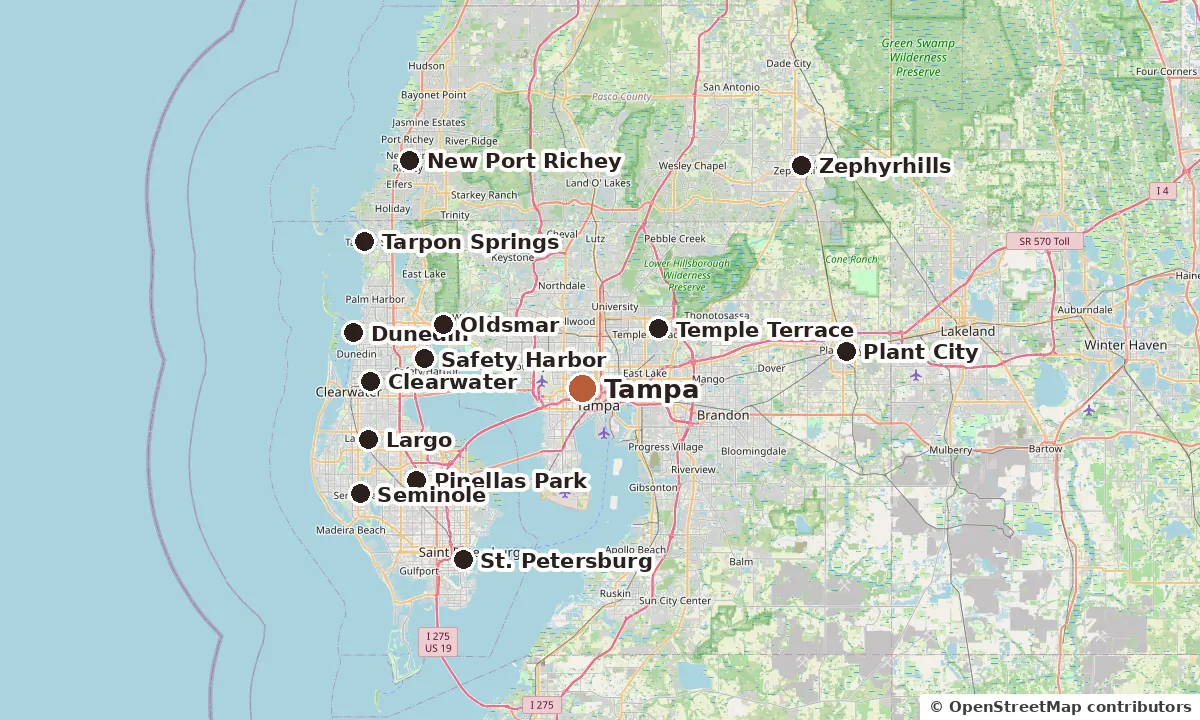
Tampa Landscaping Pros serves homes in Tampa and the nearby cities below. Each has its own page, because each has its own permit office and rules.
- Landscaping in St. Petersburg: 17.5 miles from Tampa, 267,102 people. Walls and columns need a building permit from the city's Construction Services and Permitting, and 4 feet is the most a fence or wall may stand in a front yard.
- Landscaping in Clearwater: 17.8 miles from Tampa, 116,811 people. Permits, including fences and tree removal, are applied for online through the city's Accela portal.
- Landscaping in Dunedin: 19.8 miles from Tampa, 35,932 people. Permits are submitted online in the city's Citizen Self Service portal.
- Landscaping in Temple Terrace: 8.1 miles from Tampa, 27,588 people. Permits start with an application to the city's Building Department.
The rules change at each city line, so a Tampa permit does not carry over to a job in St. Petersburg, Clearwater, Dunedin or Temple Terrace. Check the town page before you plan a wall, a fence or a tree removal. Homes in unincorporated Hillsborough County apply to the county instead of a city. Dunedin's building permit fee is 0.80% of the construction value, $60 minimum, and a Dunedin fence permit is $50. Clearwater charges $15 to remove 1 to 5 trees, then $3 for each added tree. Temple Terrace exempts non-structural slabs under 100 square feet from permits.
What is it doing? Find the likely problem
New Sod Turning Yellow or Brown
New sod turning yellow or brown in Tampa? See the possible causes, what to check first, Tampa's new-sod watering rules and what re-laying sod costs.
New Grass Seedlings Dying
New grass seedlings dying in your Tampa lawn? See what damping off is, what to check about water, soil and seed, and what a reseed costs nationally.
Standing Water in Yard
Standing water in your Tampa yard after rain? See what to check, the causes, and national drain and regrading costs. Written price after the crew measures.
Brown Patch in Lawn
Round brown patches in your Tampa lawn? See how to tell brown patch fungus from chinch bugs and grubs, what to change, and national repair costs.
Grub Damage in Lawn
Grub damage in lawn in Tampa? See how white grubs differ from chinch bugs and fungus, what repair involves, and what re-sodding costs nationally.
Chinch Bug Damage and Dead Patches in Tampa Lawns
Chinch bug damage in Tampa lawns shows as yellow to brown patches. See how to check the edge, what else it could be, and what a repair involves.
Artificial Turf Smells
Artificial turf smells like urine in Tampa? See why infill and poor drainage hold pet odor, what to clean first, and what drainage work costs nationally.
Yard Erosion and Washouts
Yard erosion in Tampa, FL: why soil washes out in the rainy season, what to check, how slopes get fixed, and what the national cost ranges are.
Moss in Lawn
Lawn full of moss in Tampa? See what lets moss take over, why shade, drainage and soil come first, and what the fix costs, with national price ranges.
Fairy Ring in Lawn
A fairy ring in a Tampa lawn does no long-term harm, says UF/IFAS. See the causes, look-alikes, Tampa fertilizer and watering rules, and national patch costs.
Thick Thatch in Lawn
Thick thatch in lawn in Tampa? See what makes grass spongy and shed water, how it differs from compaction, what dethatching involves and how to get a quote.
Compacted Soil Lawn
Compacted soil lawn in Tampa? Learn the push test, what causes a hard packed yard, how aeration, compost and new sod fix it, and what to ask before you hire.
Dry Spots in Lawn That Stay Brown
Dry spots in lawn that stay brown after watering in Tampa: causes, checks, the city's watering rules, national fix costs and how to get a written price.
Lawn Full of Weeds
Lawn full of weeds in Tampa? Learn what clover, dandelions and dollarweed say about soil, mowing and watering, and what a re-sod costs nationally.
White Powder on Grass in a Shady Tampa Lawn
White powder on grass in a shady Tampa lawn? See how to tell powdery mildew from look-alikes, what to change under Tampa's rules, and national costs.
Retaining Wall Leaning
A leaning retaining wall in Tampa is mostly a water problem. See when drainage fixes can hold, when it means a rebuild, the permit cost and how to compare bids.
Patio Pavers Sinking
Patio pavers sinking in Tampa? See what causes uneven pavers, how to fix sunken pavers, what to ask a crew and what paver and drainage work costs nationally.
Tree Roots Lifting Patio or Walkway
Tree roots lifting your Tampa patio or walkway? See why roots go under paving, the risks of cutting them, Tampa tree rules, repair options and national costs.
White Haze on Pavers
White haze on pavers in Tampa is natural, not a defect. See how to scrub it off with dish soap, when a remover is needed, what cleaning costs and when to seal.
For typical prices and what moves them, see Landscaping Cost.
Browse all services, the areas we serve and common questions.
Cost
Estimate your project cost
Pick a project and its size to see the typical installed price range from national cost data.
| Project | Size | Typical range | Source |
|---|---|---|---|
| Yard landscaping | 200 sq ft | $900–$2,400 | HomeAdvisor |
| Yard landscaping | 500 sq ft | $2,250–$6,000 | HomeAdvisor |
| Yard landscaping | 1,000 sq ft | $4,500–$12,000 | HomeAdvisor |
| Concrete paver patio | 200 sq ft | $900–$4,200 | HomeAdvisor |
| Concrete paver patio | 500 sq ft | $2,250–$10,500 | HomeAdvisor |
| Concrete paver patio | 1,000 sq ft | $4,500–$21,000 | HomeAdvisor |
| Brick paver patio | 200 sq ft | $1,600–$5,000 | HomeAdvisor |
| Brick paver patio | 500 sq ft | $4,000–$12,500 | HomeAdvisor |
| Brick paver patio | 1,000 sq ft | $8,000–$25,000 | HomeAdvisor |
| Artificial turf | 200 sq ft | $1,000–$4,000 | HomeAdvisor |
| Artificial turf | 500 sq ft | $2,500–$10,000 | HomeAdvisor |
| Artificial turf | 1,000 sq ft | $5,000–$20,000 | HomeAdvisor |
Yard landscaping uses the source's own ranges by yard size. Patio and turf ranges are the source's installed price per square foot times the size you pick. Access, slope, removing an old surface and the materials you choose move the real price; a written quote sets it.
Sources: HomeAdvisor, HomeAdvisor, HomeAdvisor.
FAQ: landscaping in Tampa
How much does landscaping cost in Tampa?
Ask for a written, itemized price after the crew walks your Tampa yard and measures it. National figures for 2026 put average professional landscaping at $1,400 to $1,660, and $4.50 to $14.50 per square foot for a project. The cost table above lists ranges by job.
How do I get a landscaping quote?
Call or send the form, and expect a call back within one business day. The crew then comes out and measures, and a written price reaches you before any work starts. To request a quote, use the button at the top of this page.
Do I need a permit for landscaping in Tampa?
Some jobs do. In Tampa, the City's fee schedule lists permits for walls, patio slabs and pergolas, and removing a tree 5 inches or more across at breast height needs a permit. When your job needs a City permit, Tampa Landscaping Pros pulls it.
How long does a landscaping project take?
It depends on the size and the weather. Ask for a written start date and finish date with the quote. A professional crew installs artificial turf in a few days, and new concrete needs about 28 days to cure fully.
When can I water a new lawn in Tampa?
Tampa water customers water once a week on a day set by the last digit of the house number, only from midnight to 4 a.m. or 8 p.m. to 11:59 p.m. New sod still may not be watered between 4 a.m. and 8 p.m., and the city points to the UF/IFAS 30-day establishment schedule.
Can my HOA stop me from landscaping my own yard?
A Florida HOA may not ban an owner from putting in Florida-friendly landscaping on their own land. If you live in an HOA, get its written approval for artificial turf before work starts.